Pre-Emergents when to apply in Blairsville Ga
Learn when to apply pre-emergents in Blairsville, GA. Key timing: Late February to mid-March for effective weed control and a healthy lawn.
Key Application Timings for Blairsville Georgia: A Guide for a Lush Lawn
As the serene beauty in Blairsvile begins to awaken from its winter slumber, homeowners in Blairsville and beyond get ready to embrace the warmer months. Among the most critical actions you can take to ensure a lush and vibrant lawn is understanding the essential timing of weed and pest control applications. With the right strategies in place, you can significantly enhance your lawn's health and appearance. In this blog post, we will delve into the key application timings, focusing primarily on the critical window for crabgrass and summer weeds, which runs from late February to mid-March.
Understanding the Importance of Timing
Lawn care is akin to tending to a garden; it requires dedication, effort, and, most importantly, timing. Applying treatments too early or too late can lead to suboptimal results and wasted resources. This is particularly true for crabgrass and summer annual weeds, which can quickly take over your lawn if not addressed at the right time.
In North Georgia, the transition from winter to spring brings a unique set of challenges for your lawn. The warm weather stimulates the germination of weeds, and taking action during this period is crucial. By knowing when to apply herbicides and pre-emergents, homeowners can create an environment that promotes healthy grass growth while effectively suppressing unwanted weeds.
The Critical Window: Late February to Mid-March
The period spanning late February to mid-March marks the most important timeframe for applying pre-emergent herbicides in North Georgia. This application targets primarily crabgrass and various summer weeds that can become problematic if left unchecked.
Crabgrass: The Primary Concern
Crabgrass is a common annual weed that thrives in the warm temperatures of summer. It is particularly notorious for sprawling across lawns, outcompeting desirable grasses for nutrients, water, and sunlight. For residents in Blairsville, combating crabgrass requires vigilance and timely intervention.
During late February to mid-March, soil temperatures begin to rise, usually reaching around 55°F to 60°F, which signals the ideal conditions for crabgrass seeds to germinate. Applying a pre-emergent herbicide during this window creates a barrier in the soil that prevents crabgrass seeds from sprouting, thus ensuring a healthier lawn throughout the summer months.
Identifying Weeds
In addition to crabgrass, several other summer annual weeds may germinate around the same time. These include:
- Foxtail: This grass-like weed can also invade your lawn if not managed properly. Like crabgrass, it thrives in warmer weather.
- Spurge: A drought-tolerant weed that can quickly establish itself in sunny areas within your lawn.
- Purslane: Known for its succulent leaves, purslane can crowd out your grass and create unattractive patches.
For successful weed management, it's essential to understand the types of weeds prevalent in your specific area. Knowing your enemy will allow you to select the appropriate herbicides and application techniques.
Proper Application Techniques
Choosing the Right Products
When selecting a pre-emergent herbicide, consider the following options:
1. Dimension (Dithiopyr): Effective against crabgrass and other weeds, Dimension not only prevents germination but can also provide some control over existing weeds.
2. Pendimethalin: This herbicide works well for controlling crabgrass and is effective when applied correctly according to label instructions.
3. Prodiamine: A versatile option that offers extended control of a wide range of summer weeds.
Always read and follow the manufacturer’s instructions for the specific product you choose, ensuring you adhere to the recommended application rates and timings.
Application Methodology
When applying pre-emergent herbicides, here are some best practices to follow:
- Apply Evenly: Use a broadcast spreader to ensure an even distribution of the herbicide across your lawn. Uneven application can lead to patchy weed control.
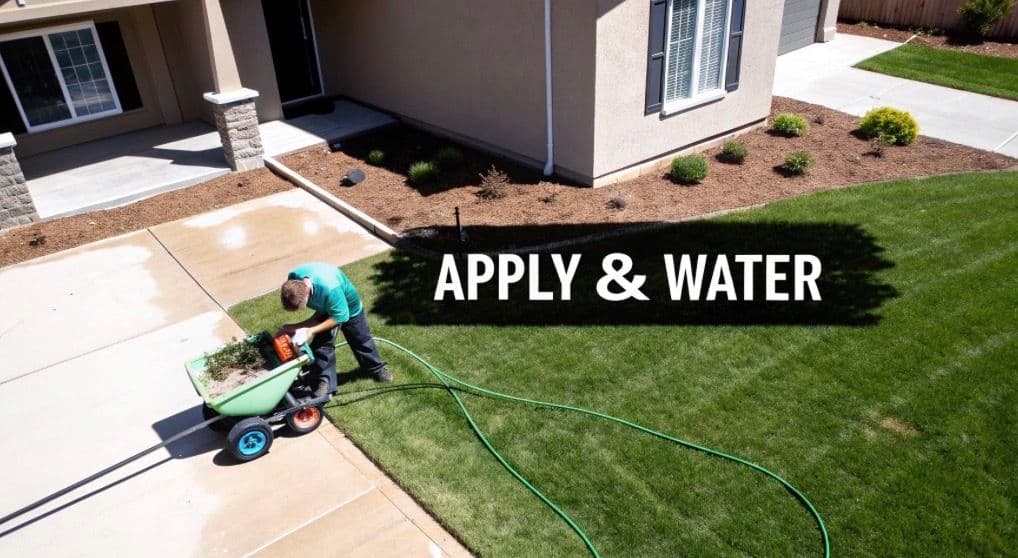
- Watering In: After application, lightly water your lawn to help activate the product and incorporate it into the soil. Be careful not to overwater, as this can wash away the herbicide.
- Timing: Aim to complete the application before the soil temperatures consistently reach the crabgrass germination threshold of 55°F to 60°F.
Supplementing with Fertilization
While tackling summer weeds is crucial, it’s equally important to promote healthy grass growth during this period. Fertilizing your lawn around the late February to mid-March timeframe can enhance the resilience of your grass and improve its ability to outcompete unwanted weeds.
Recommended Approaches to Fertilization
1. Choose the Right Fertilizer: Consider using a slow-release nitrogen fertilizer to nourish your lawn gradually. This approach supports ongoing growth while preventing excessive shoot growth that may lead to disease susceptibility.
2. Use Soil Test Results: Conduct a soil test to determine if your lawn requires specific nutrients. Knowing the nutrient levels in your soil allows you to tailor your fertilization approach effectively.
3. Establish a Schedule: Make fertilization a routine part of your lawn care plan. Regularly scheduled applications every 6 to 8 weeks during the growing season can produce excellent results.
Post-Germination Strategies
After the ideal application window for pre-emergent herbicides, your lawn will continue to be at risk from emerging weed populations.
Managing Emerging Weeds
Watch for signs of emerging weeds as the temperatures rise and dispose of any that appear. Early identification and removal can prevent them from establishing themselves and competing with your grass for nutrients and water. Consider the following options for managing any weeds that do emerge:
- Post-emergent Herbicides: If you see weeds breaking through, a selective post-emergent herbicide may be necessary. Ensure it targets the specific weed types that are problematic.
- Manual Removal: For small infestations, hand-pulling weeds can be effective. Be sure to remove the entire root to prevent regrowth.
Conclusion
The transition from winter to spring in North Georgia is not just about enjoying the warmer weather; it’s also the start of an essential maintenance period for your lawn. By understanding and capitalizing on the key application timings for crabgrass and summer weeds—particularly the critical window from late February to mid-March—homeowners in Blairsville can cultivate a healthy and vibrant lawn.
Incorporating both pre-emergent herbicides and the right fertilization techniques will ensure your grass flourishes while keeping weeds at bay. With dedication and attention to detail, you can transform your lawn into a lush, green oasis that enhances the beauty of your home and your outdoor space in North Georgia. Enjoy the journey to a healthier lawn, and celebrate the arrival of spring with confidence!