- Home
- Blog
- Why Piper Outdoors Chooses Mirimichi CarbonizPN-G and Aquatrols PRECIP™ G to Transform Georgia Clay Soil
Why Piper Outdoors Chooses Mirimichi CarbonizPN-G and Aquatrols PRECIP™ G to Transform Georgia Clay Soil
Piper Outdoors reveals its secret to transforming Georgia clay soil with Mirimichi CarbonizPN-G and Aquatrols PRECIP™ G. Learn how to improve soil structure and fertility for lush landscapes.
Why Piper Outdoors Is Giving Away One Of Its Secrets Of Success And Chooses Mirimichi CarbonizPN-G and Aquatrols PRECIP™ G to Transform Georgia Clay Soil
It’s that time of year again, folks! As the days lengthen and the first hints of spring tease the mountains around Blairsville, Georgia, the most dedicated gardeners and landscape lovers among us are pulling out their soil probes and sample kits. Taking those soil samples now and shipping them off to the lab gives us the precious weeks we need to review the results and get our amendments in place before planting season hits full stride. At Piper Outdoors, we live and breathe North Georgia landscapes—from custom decks and fire pits to lush lawns and thriving gardens that turn backyards into true outdoor sanctuaries. And we know one truth better than most: success starts below the surface, especially when you’re battling Georgia’s notorious clay soil.
Here in Union County and across the North Georgia foothills, our soils often feature heavy red clay subsoils that can make even the most beautiful outdoor living space a challenge. That’s exactly why we’ve made two specific products our go-to soil amendments: Mirimichi Green’s CarbonizPN-G Granular Soil Enhancer and Aquatrols’ PRECIP™ G Granular Soil Surfactant. These aren’t just any bags from the store shelf—they’re professional-grade, science-backed solutions that directly tackle the unique headaches of Georgia clay. In the next 1,500 words, we’ll walk you through the problems these soils present, why a soil test is non-negotiable, how each product works its magic, why we pair them, and how we implement them for our clients to deliver healthier, more resilient landscapes that require less water, less fertilizer, and deliver more enjoyment.
The Unique Challenges of Georgia Clay Soil
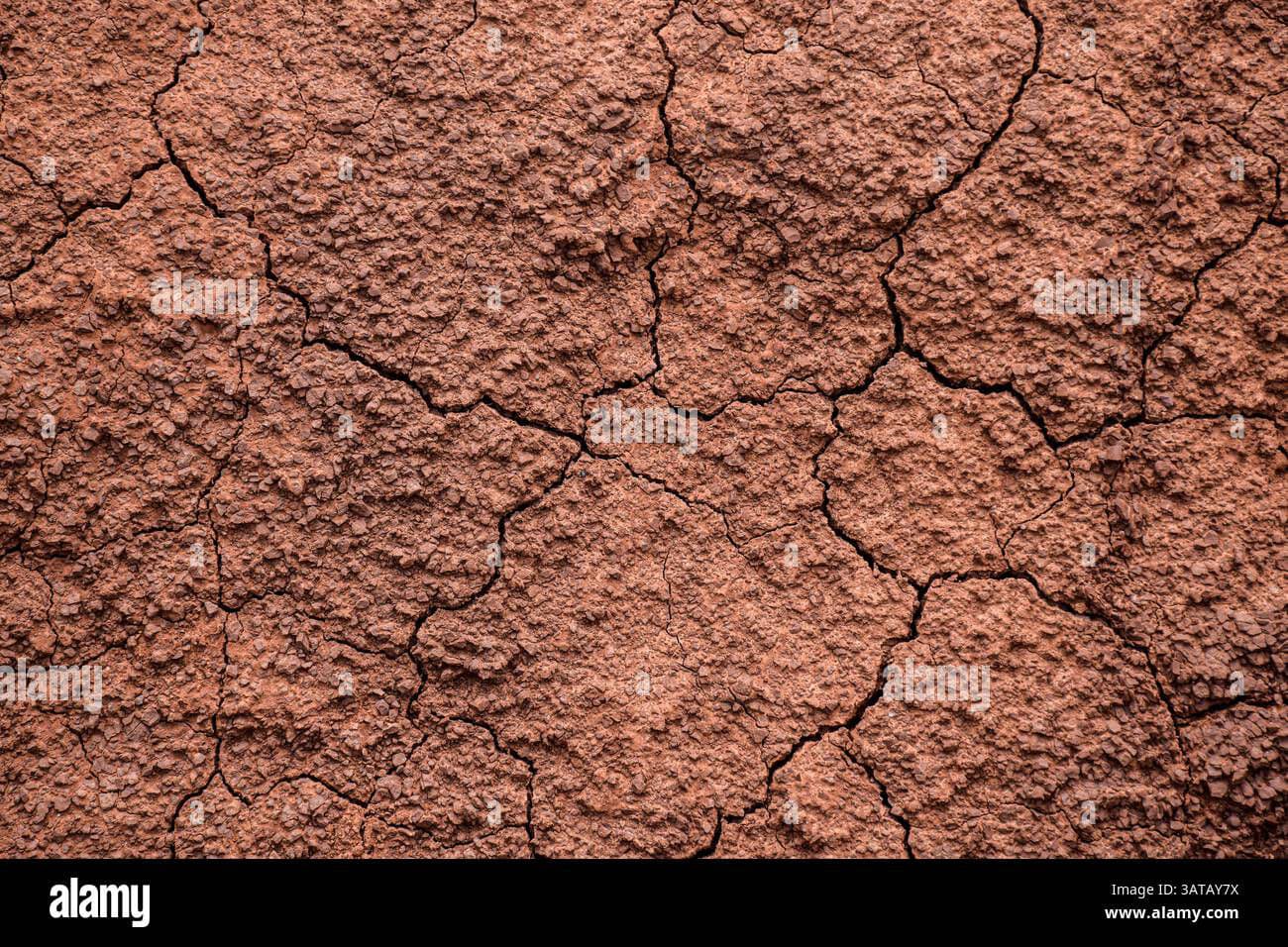
Georgia clay—especially the famous red variety—is the result of millions of years of weathering on our ancient Piedmont and Blue Ridge rocks. The iron oxides give it that signature rusty hue, but beneath the color lies a dense matrix of ultra-fine particles smaller than 0.002 mm. When wet, it sticks to everything like glue and drains painfully slowly. When dry, it shrinks, cracks into hard plates, and becomes almost impenetrable to roots and water alike.
In Blairsville’s mountainous terrain (around 1,900 feet elevation, USDA Zone 7a), these issues are amplified. Slopes common around our properties accelerate runoff, leading to erosion that strips away what little topsoil exists. Construction of new homes or outdoor living spaces often removes the thin layer of native topsoil, exposing pure clay subsoil that compacts under foot traffic, mowers, or even heavy rains. Organic matter levels are typically a dismal 1-2%, leaving the soil with poor structure, low microbial activity, and limited ability to hold nutrients or air.
Nutrient lock-up is another huge problem. Clay particles carry a high negative charge, binding phosphorus, potassium, and other essentials so tightly that plants can’t access them—even if you fertilize generously. pH often trends acidic (5.5–6.5), which suits acid-loving natives like rhododendrons and blueberries but frustrates vegetable gardens and many turfgrasses. Worst of all, clay creates a vicious cycle: poor aeration starves roots and beneficial microbes, shallow root systems make plants drought-stressed despite our abundant mountain rainfall, and compacted layers turn every downpour into surface puddling or destructive runoff that carries sediment into our beautiful local streams.
For outdoor living projects—whether a flagstone patio, raised garden beds, or a new sod lawn—these conditions translate to higher maintenance, more irrigation, yellowing plants, and disappointing performance. At Piper Outdoors, we’ve seen it all: clients frustrated by lawns that never thicken, vegetable plots that produce little, and trees struggling to establish. Basic tilling or cheap compost helps temporarily but doesn’t last. That’s where targeted, high-performance amendments come in.
Start with a Soil Test—Always
Before we touch a single bag of amendment, we insist on a proper soil test through the University of Georgia Extension or a trusted lab. Samples taken now (ideally from multiple spots, 4–6 inches deep for lawns, deeper for beds) will reveal pH, macronutrients, micronutrients, and sometimes organic matter percentage. Results typically arrive in 1–2 weeks, giving us time to calculate lime or other corrections and layer in our structural amendments. Soil testing isn’t optional in North Georgia clay—it’s the roadmap. But remember: a test tells you what’s chemically missing; it doesn’t fix physical structure. That’s the job of CarbonizPN-G and PRECIP™ G.
Mirimichi CarbonizPN-G: The Long-Term Soil Builder
Our first powerhouse is Mirimichi Green’s CarbonizPN-G Granular Soil Enhancer—the granular, spreadable version of their flagship CarbonizPN. This 40-pound bag of prills is built on CarboMatrix™ Technology: a proprietary blend of USDA Certified Biobased premium activated biochar, nutrient-rich blended compost (derived from swine, poultry, and other organic waste streams), and a patented inoculation of beneficial bacteria and fungi (the same strains used in their ByoSpxtrum biological products).
Why does this combination excel in Georgia clay? Let’s break it down.
Biochar is essentially charcoal produced at high temperatures in low-oxygen conditions. Its microscopic honeycomb structure creates enormous internal surface area—up to 400 square meters per gram. In clay, biochar acts like microscopic rebar: it binds fine clay particles into stable aggregates, dramatically reducing bulk density and compaction. Studies and field experience show biochar can improve soil porosity by 20–50%, allowing oxygen to reach roots and excess water to drain instead of stagnating.
Biochar’s cation exchange capacity (CEC) is off the charts—often 5–10 times higher than native clay. This means it grabs and holds positively charged nutrients (ammonium, potassium, calcium, magnesium) right in the root zone, preventing leaching during our heavy spring rains. Plants get steady access instead of feast-or-famine cycles.
The premium compost delivers immediate organic matter and a broad spectrum of macro- and micronutrients. It feeds the soil food web right away, kick-starting microbial activity that slowly breaks down clay into more workable tilth.
The microbial inoculation is the secret sauce. These beneficial bacteria and fungi colonize the vast pore spaces inside the biochar, turning each prill into a “microbial hotel” that stays protected and active for years. They accelerate decomposition of organic matter, fix nitrogen, solubilize phosphorus, and produce natural glues that further stabilize soil aggregates. The result? Deeper, denser root systems that explore more soil volume for water and nutrients.
In practical terms for Blairsville landscapes, CarbonizPN-G:
Reduces water needs by improving retention in the root zone without creating sogginess.
Drives quicker green-up and recovery after summer stress or winter dormancy.
Cuts fertilizer and chemical inputs by 20–30% in many programs because nutrients stay put and become more available.
Optimizes pH slightly toward neutral as microbes and biochar buffer the soil.
Builds permanent organic content—unlike plain compost that breaks down quickly, the biochar fraction lasts decades.
Application is simple and flexible. For existing lawns or maintenance, we spread 20–40 lbs (½–1 bag) per 1,000 sq ft every 4–6 weeks during the growing season. For new plantings, sod installation, or heavy renovation, we go 40–80 lbs per 1,000 sq ft, either incorporated or as a topdress followed by aeration. For ornamental beds and vegetable gardens, we mix 2–10% by volume into the top 6–12 inches. It’s safe, natural, and sustainable—perfect for our environmentally sensitive mountain region where we prioritize water quality and carbon sequestration.
We’ve seen it transform yards: a compacted, thin fescue lawn in Blairsville’s Ivy Log community went from patchy to thick and emerald after one season of CarbonizPN-G combined with proper aeration. Trees planted in amended clay show 2–3x the growth rate in the first two years. This is why it’s our foundational amendment— it rebuilds the soil from the ground up.
Aquatrols PRECIP™ G: The Water Efficiency Expert
No matter how much organic matter you add, water management remains critical in clay. That’s where Aquatrols PRECIP™ G shines. This flexible granular soil surfactant is formulated with 6.2% ethylene oxide-propylene oxide copolymer and ethoxylated alcohols on a cellulose and limestone carrier. One pound of PRECIP G delivers the performance of one ounce of their liquid PRECIP surfactant per 1,000 sq ft—making it ideal for areas that are hard to spray or for broad-scale lawn programs.
Clay soils develop hydrophobicity (water-repellency) when they dry out. The fine particles and organic coatings create a surface that sheds water like a waxed car—rain or irrigation beads up and runs off instead of soaking in. Even when wet, water moves unevenly through compacted layers, leaving dry pockets and wet spots. PRECIP G lowers the surface tension of water, allowing it to penetrate uniformly and deeply into the soil profile.
Key benefits we love:
Increases uniformity of infiltration so every square inch of the root zone gets hydrated.
Extends the duration of soil hydration, meaning longer periods between irrigations—huge water savings in a region where summer dry spells still occur.
Addresses drought-period water acceptance issues that plague clay even after rain.
Works preventatively; we apply ahead of expected dry weather or as part of regular programs.
Granular form is perfect for our spreading equipment and for sloped properties where liquid might run off before activating.
Application rates range from 2–8 lbs per 1,000 sq ft (87–348 lbs per acre), depending on severity. We irrigate lightly afterward (or time it before rain) to activate the surfactant. It’s labeled for lawns, athletic fields, ornamental beds, and bunker banks—exactly the sites we renovate. The limestone carrier can even provide a mild pH buffering benefit in our acidic clays.
In Blairsville projects with south-facing slopes or new construction clay, PRECIP G has cut irrigation needs by 20–30% while eliminating localized dry spots that used to kill sod or perennials.
The Power of Pairing Them: Synergy for Superior Results
Here’s where the magic happens. CarbonizPN-G rebuilds structure and biology for the long haul. PRECIP™ G ensures water moves efficiently through that improved structure so the biochar, compost, and microbes can do their jobs at maximum efficiency. Together they break the clay cycle: better infiltration prevents compaction from repeated wetting-drying; deeper moisture supports the microbial explosion fueled by CarbonizPN-G; nutrient retention skyrockets because water carries solubilized elements straight to roots instead of running off.
The result is a resilient soil ecosystem that supports the stunning outdoor living spaces our clients crave—lawns that stay green through August, vegetable gardens that actually produce, and foundation plantings that establish quickly without constant babysitting. It’s sustainable: less water use protects our mountain aquifers and streams; reduced fertilizer lowers runoff risk; and healthier plants mean fewer pesticides.
How Piper Outdoors Implements These Amendments
When a client in Blairsville or Blue Ridge books a landscape renovation, our process is methodical. After soil testing, we develop a custom plan. We often aerate first, then spread CarbonizPN-G at renovation rates, followed by a PRECIP G application to ensure immediate water penetration. For ongoing maintenance programs, we schedule both products on a seasonal calendar integrated with our mowing, fertilization, and pest services.
We calibrate spreaders on-site for accuracy and always follow with irrigation or rainfall activation. Clients see results within weeks: darker green color, thicker turf, and noticeably healthier shrubs and trees. Because these products are professional-grade and long-lasting, our clients enjoy lower long-term costs and more time relaxing on their new patios instead of fighting the dirt.
Ready to Transform Your North Georgia Landscape?
At Piper Outdoors, we deliver complete outdoor transformations backed by deep local knowledge and proven soil science. Whether you’re dreaming of a low-maintenance fescue lawn, a productive raised-bed garden, or an erosion-resistant slope planting that frames your new fire pit, the foundation is healthy soil.
Contact us at piperoutdoors.com to schedule a free consultation and soil sampling assistance. Let’s turn your Georgia clay into the fertile base for the backyard oasis you deserve. Spring planting waits for no one—get those samples in now, and let Piper Outdoors and our trusted amendments do the rest.
With these two products and our expertise, every project we touch becomes a testament to what’s possible when you work with nature instead of against it. We can’t wait to help you experience the difference in your own Blairsville or Blue Ridge outdoor space.